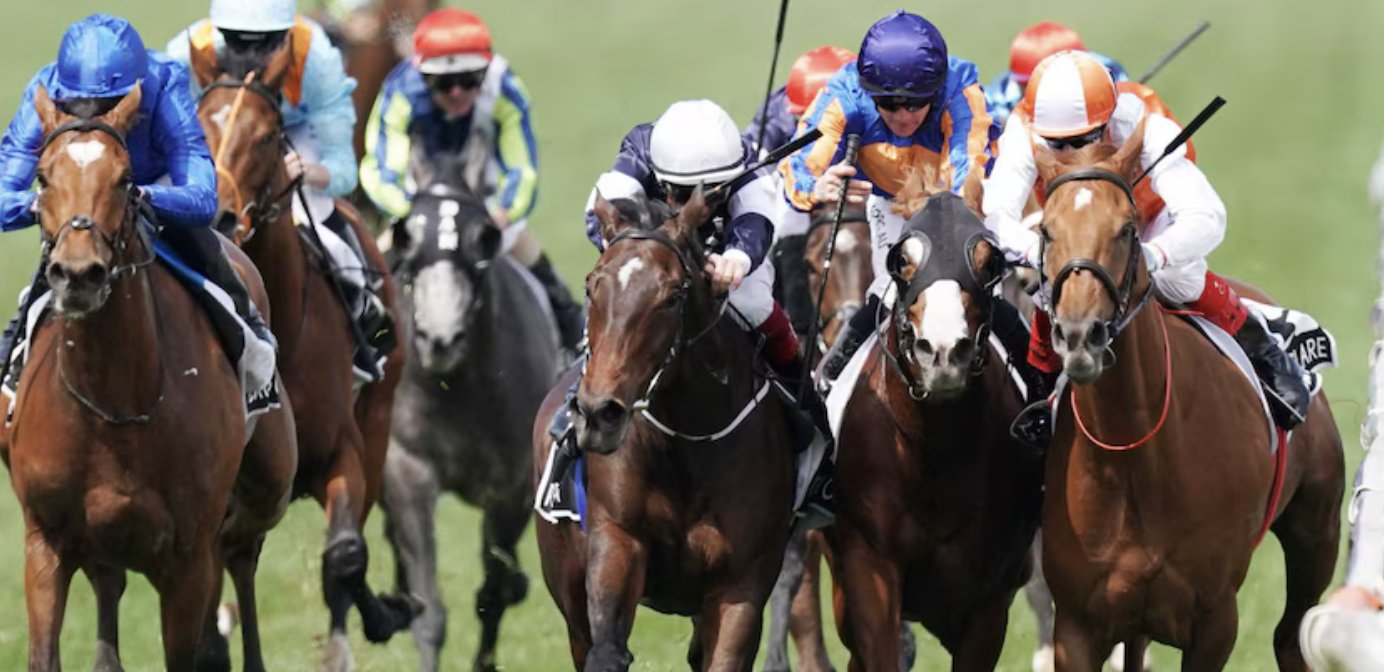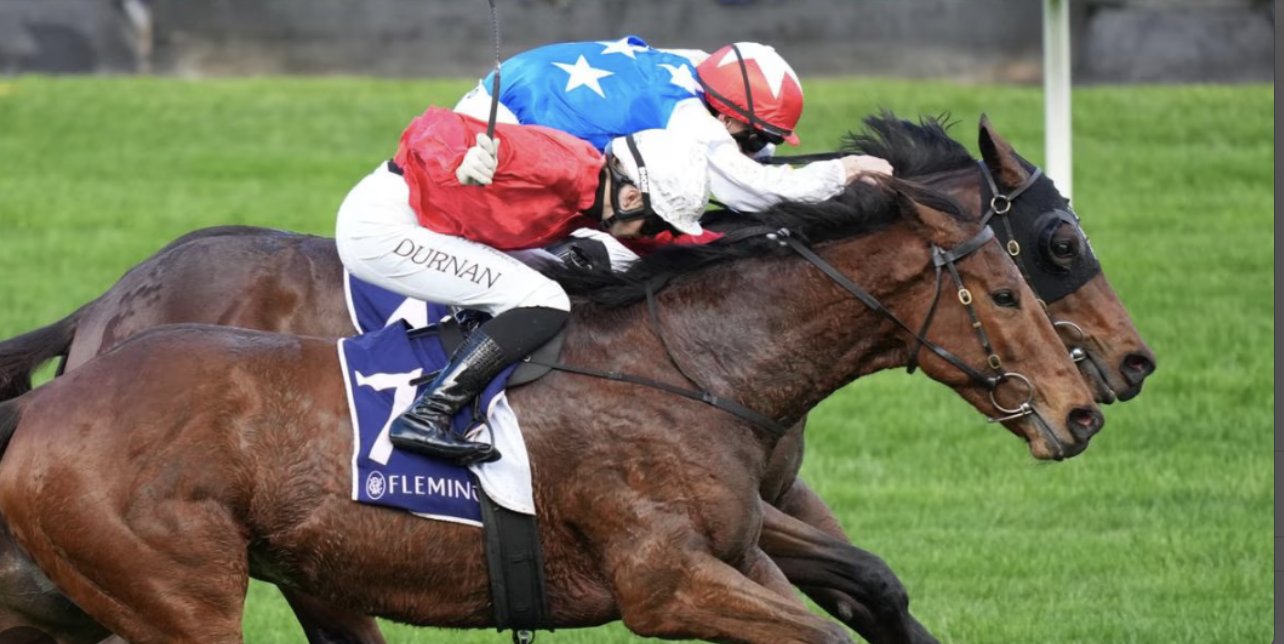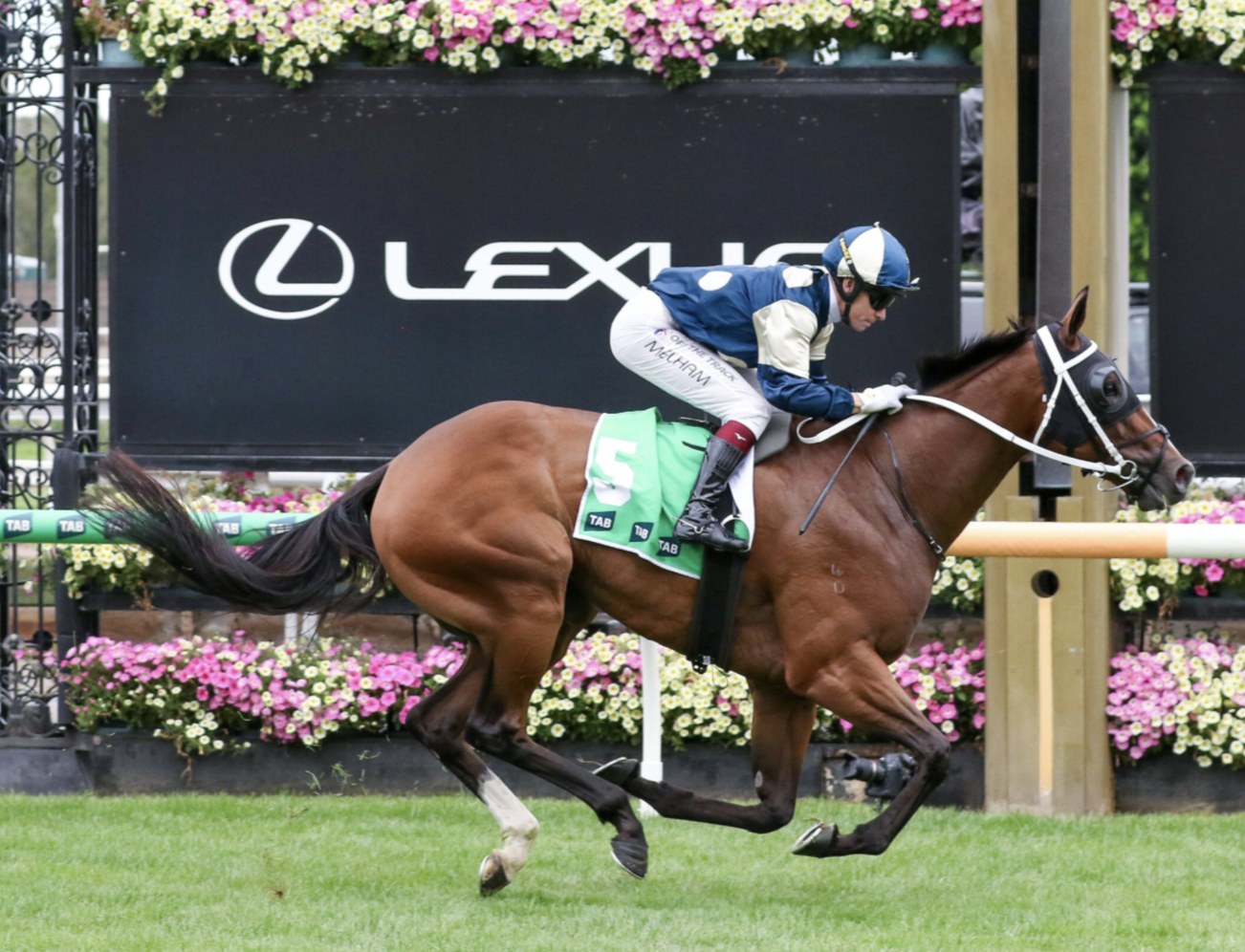
The 2026 Cox Plate will be run at Flemington on Saturday 24 October, over 2040 metres. It is the first time in the race’s history it has been staged anywhere other than Moonee Valley.
The reason is straightforward: the Valley is closed for redevelopment, a shutdown of at least 21 months from November 2025. The reason it matters is anything but.
The Valley made the race
Moonee Valley is 1805 metres round with a short straight and tight turns. That geometry is the Cox Plate. It is why the race has so often gone to the horse who could hold a position and quicken off a genuine tempo rather than the horse with the biggest raw finish — there is nowhere to make up five lengths at the Valley if you have not been in the race turning for home.
Flemington is the opposite proposition. Big, galloping, a 450-metre straight. The horse who is three-wide and last on the turn is not out of it.
What that does to the form
Every Cox Plate trend built on Valley bias should be treated as suspect for this running. Barrier statistics, on-pace bias, the historic weight of tactical speed — all of it was measured at a track this race is not being run on.
The honest position for punters is that the 2026 Cox Plate is closer to a first running than a 106th. Handicappers and models trained on Valley data are working from the wrong track.
It is not the only race that moved
Racing Victoria’s 2026 spring programme has redeployed a string of Valley features. The Moir Stakes (Group 1, 1000m) goes to Sandown on 5 September. The Manikato Stakes moves to Caulfield. The Zipping Classic stays at Sandown.
Racing Victoria chief executive Aaron Morrison framed the Flemington decision commercially: “Flemington is the best location to maximise attendance, wagering and engagement with the meeting.” Moonee Valley Racing Club chief executive Michael Browell acknowledged the obvious — it is “the first time the race has been run at a different track.”