PuntersReviewSearch

Track Bias, Explained: How to Read a Racing Surface Like a Professional

Rail positions, sectional times and the discipline of judging a bias while the meeting is still running.

Tom BrennanRacing Analyst
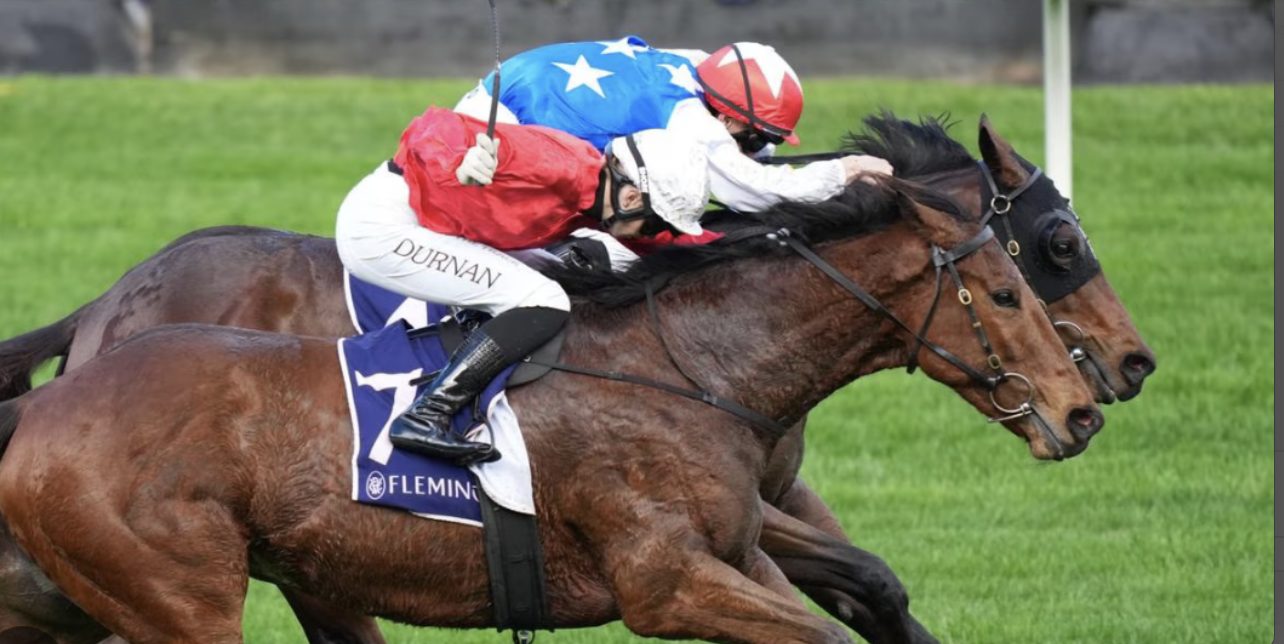
Two runners hit the line together in a driving finish
Supplied

Track bias is the most misused term in racing — and one of the most valuable concepts when it's read properly. A bias exists when position on the track, rather than horse quality, is systematically deciding results: leaders holding on when they shouldn't, or one part of the course playing faster than another.

Rail position is the first clue. When the rail moves out, ground that hasn't been raced on comes into play and on-pace runners often get an assist. When it's in the true position late in a carnival, worn ground can turn a track leader-biased or backmarker-friendly.

Reading the sectionals

Raw finishing positions lie. The tell is in closing sectionals relative to the day's average: when horses running the fastest final 400 metres consistently fail to make ground, position is beating quality — the definition of bias.

The professional discipline is judging it DURING the meeting, race by race, not declaring it afterwards. By the time a bias is being discussed on social media, it is already in the prices.

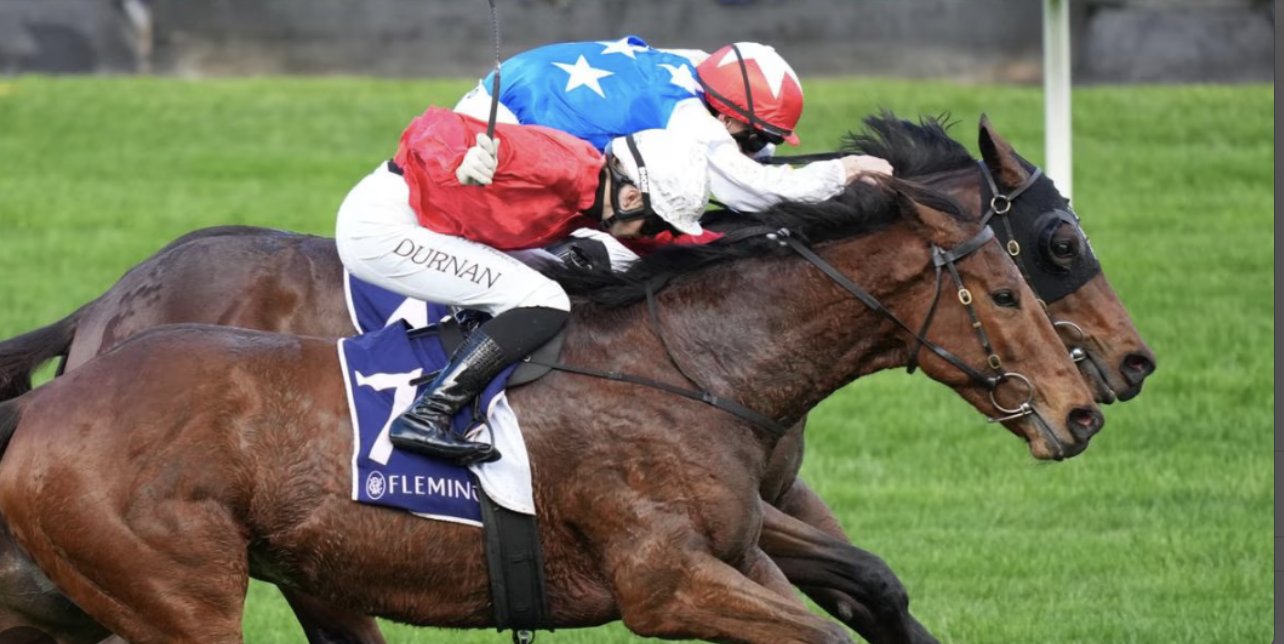
Track Bias, Explained: How to Read a Racing Surface Like a Professional — editorial artwork
Editorial artwork

How punters use it

Bias reading changes two decisions: how you bet late in the day at the same meeting, and how you treat the form afterwards. A horse beaten two lengths against a hostile bias may be the best horse in the race next start — and the market won't always remember why it was beaten.

That's where a black book earns its keep: not recording winners, but recording runs that were better than they looked.

Quick answers

What is track bias in horse racing?
A track bias exists when position on the track — such as racing on the rail or on the pace — systematically affects results more than horse ability.
How do you identify track bias?
Compare closing sectional times with finishing positions: when the fastest-closing horses consistently fail to make ground, the surface or tempo is favouring one position on the track.
Track BiasSectionalsBetting EducationForm

Related Stories